

Contents:
- Why Curly Hair Needs a Different Approach
- Understanding Curl Diameter Before You Book
- Our Ranking Methodology
- Curl-Matched Keratin Bonds by Ivana Farisei
- Curly Clip-In Wefts
- Curly Tape-Ins
- Curly Micro Rings
- Curly Halo Extensions
- Curly Sew-In Wefts
- Curly I-Tip Extensions
- Colour Matching Curly Extensions Correctly
- Caring for Curly Extensions Between Washes
- What the Pros Know
- How Humidity Affects Each Method Differently
- Best vs Budget Comparison
- FAQ
- Can curly extensions be re-curled if they loosen over time?
- Do curly extensions need more maintenance than straight ones?
- How do I know what curl pattern to order?
- Will curly extensions look fake on 4A-4C hair?
- Which method lasts longest on curly hair?
Curly hair extensions have a longer history than most people realise — Black hairdressing traditions across the UK have used braided-in and wefted natural-texture hair for generations, long before “curly extensions” became a search term on beauty salon websites. What’s new isn’t the idea, but the technology: today’s hair extension beauty salon industry finally has methods precise enough to match curl pattern, not just colour and length. Here are the 7 best hair extensions for curly hair that stylists actually recommend in 2026, ranked by how well they hold a curl pattern, how comfortable they feel, and how naturally they blend.
Why Curly Hair Needs a Different Approach
Straight extension hair dropped into curly natural hair creates an obvious mismatch the moment humidity, washing or a workout reshapes the natural curl but leaves the straight strands untouched. Matching curl pattern — not just colour — is the single factor that separates extensions that disappear into curly hair from extensions that visibly announce themselves.
Understanding Curl Diameter Before You Book
Curl patterns are usually described using a letter-and-number system, from loose 2A waves through to tight 4C coils, and this classification does more work than most clients realise when it comes to choosing extensions. A stylist who asks specifically where your curl pattern sits on this scale, rather than just calling it “curly” on a booking form, is already showing the kind of attention to detail that determines whether the final blend looks intentional or mismatched. Bringing a reference photo of your own dry, unstretched curl pattern — not a photo from a hair inspiration board — gives a far more accurate starting point for any consultation.
Our Ranking Methodology
Each method below was assessed against three criteria that matter specifically for curly and textured hair: curl pattern retention after washing, comfort under the added weight curls sometimes carry when wet, and how well the attachment point blends against a denser, more textured root.
1. Curl-Matched Keratin Bonds by Ivana Farisei
Ivana Farisei tops this list because their studio does something most salons skip entirely: matching extension hair to the client’s specific curl pattern using a diameter and wave-mapping system, rather than offering one generic “curly” texture for every client. Their curly hair extensions london by Ivana Farisei service uses pre-permed, single-donor human hair curled to match anywhere from loose 2A waves to tight 4C coils, bonded using a technique adapted specifically for denser, more textured root sections. The bonds hold their pattern through washing far better than generic curly wefts because the hair itself was curled to match, not forced into a curl with a styling tool that fades after a few washes.
2. Curly Clip-In Wefts
For special occasions or anyone not ready to commit, curl-matched clip-in wefts remain the easiest entry point. Good-quality curly clip-ins are permed at the factory to a specific curl diameter, so choosing the right match to your own pattern before buying matters more here than with any other method on this list.
3. Curly Tape-Ins
Lighter than bonds and faster to apply, curly tape-ins work well for looser curl patterns where the flat tape base doesn’t disrupt the natural curl shape. Tighter coil patterns tend to show the tape’s flat profile more visibly, which is where this method starts to lose ground against bonds.
4. Curly Micro Rings
No heat, no adhesive — micro rings suit clients wary of chemical or thermal exposure on curly hair that’s already more prone to dryness. The trade-off is that rings can catch and tug on tighter curl patterns during detangling if not placed carefully.
5. Curly Halo Extensions
A wire-and-weft piece worn under a top section, curly halos are the fastest way to add volume for an event without any attachment to individual strands, though matching the halo’s curl pattern to your own hairline curls requires more care than with straight halo pieces.
6. Curly Sew-In Wefts
Braided into cornrows and hand-stitched, sew-in wefts remain a favourite for thicker, coarser curl types because the braid foundation supports heavier curly hair well without heat or adhesive touching the scalp.
7. Curly I-Tip Extensions
A gentler, heat-free alternative to keratin bonds, curly I-tips suit clients who want the flat, natural movement of bonded extensions without direct heat exposure — a meaningful consideration for curly hair that’s often already more porous and heat-sensitive than straight hair.
Colour Matching Curly Extensions Correctly
Colour mismatch shows up more obviously on curly hair than straight hair, simply because light catches curl patterns differently at every angle, exposing tonal differences that would stay hidden on a flat, straight strand. A proper colour match for curly extensions should be checked in natural daylight, under indoor artificial light, and ideally after the hair has been styled into its final curl pattern, since wet colour swatches can look noticeably different once dry and curled. Salons that skip this multi-light check are the most common source of the “obvious extensions” look clients want to avoid.
Caring for Curly Extensions Between Washes
Curly and coily hair naturally holds less moisture at the ends than straight hair, and extension hair — lacking a living scalp to produce natural oils — dries out even faster. A leave-in conditioner or light curl cream applied every two to three days, focused on mid-lengths and ends rather than the root where bonds sit, keeps both natural and extension curls defined without weighing down the attachment points. Finger-detangling in the shower with conditioner still in the hair, rather than brushing dry curls, significantly reduces breakage at the point where extensions meet natural hair.
What the Pros Know
“The biggest mistake I see is clients bringing in a photo of straight extensions and asking for the same texture on their curly hair,” says Amara Osei, a London-based extension specialist with over a decade of experience in textured hair. “Curl pattern has to be matched strand by strand, not styled afterward — otherwise you’re fighting the mismatch every single wash.”
How Humidity Affects Each Method Differently
UK weather swings between damp and dry often enough within a single week that any curly extension method needs to hold up under variable humidity, not just a single controlled test. Curl-matched human hair extensions respond to humidity the same way natural curly hair does, since the curl is structural rather than styled in, meaning they can be treated with the same anti-frizz products used on natural curls. Synthetic-blend clip-ins and tape-ins, by contrast, often react unpredictably to humidity because synthetic fibres don’t absorb and release moisture the way human hair does, which is part of why cheaper curly sets can look noticeably different on a humid day compared with a dry one.
Best vs Budget Comparison
| Method | Best Option | Budget Option |
|---|---|---|
| Bonds | Curl-matched bonds (Ivana Farisei) | Generic curly bonds, unmatched pattern |
| Clip-ins | Permed, curl-diameter-specific wefts | One-size synthetic curly clip-ins |
| Tape-ins | Curl-matched human hair tape | Pre-curled synthetic blend tape |
The gap between best and budget isn’t cosmetic — mismatched curl patterns on budget sets tend to separate visibly from natural hair within two to three washes, while properly matched sets hold their blend through an entire refit cycle.
FAQ
Can curly extensions be re-curled if they loosen over time?
Yes, with a professional perm rod set using low heat, though this should be done by a stylist rather than at home to avoid overprocessing the extension hair.
Do curly extensions need more maintenance than straight ones?
Generally yes — curly hair tangles differently and benefits from finger-detangling and leave-in conditioner more than daily brushing.
How do I know what curl pattern to order?
A proper consultation, ideally in person, comparing your dry curl pattern against sample curl diameters is far more reliable than guessing from an online curl chart alone.
Will curly extensions look fake on 4A-4C hair?
Only if the curl pattern isn’t matched carefully — specialist studios that stock a genuine range of textured curl diameters, rather than one generic “curly” option, avoid this problem entirely.
Which method lasts longest on curly hair?
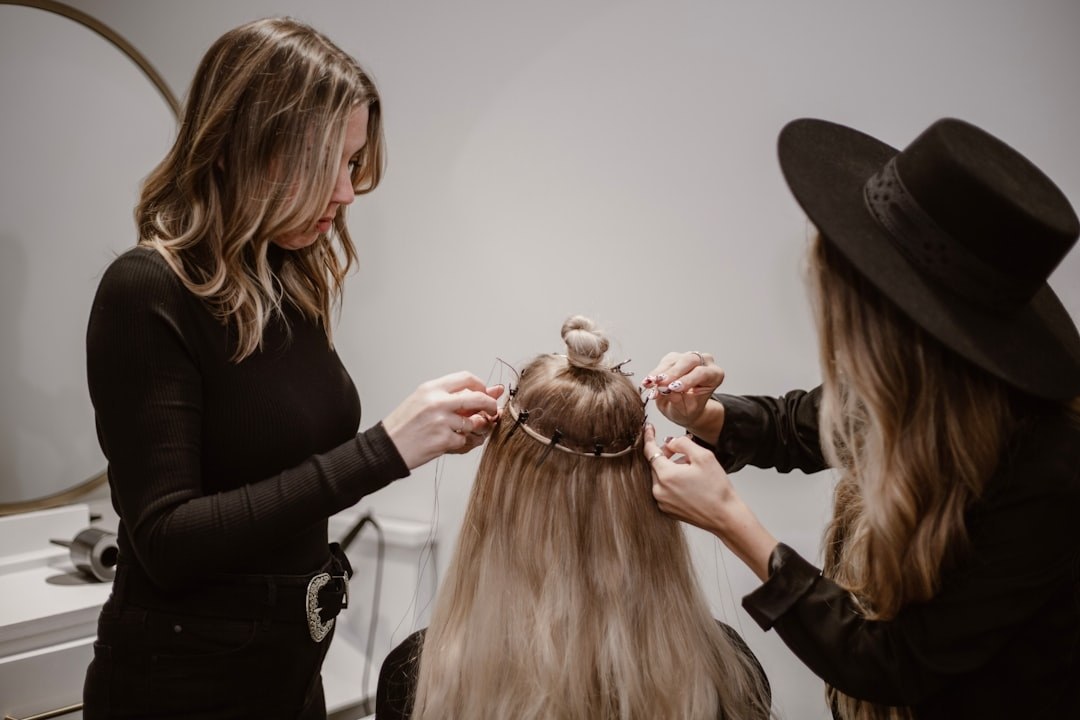
Curl-matched keratin bonds typically last 3 to 4 months, the same as on straight hair, provided aftercare accounts for curly hair’s different moisture needs.
Curly hair deserves extensions built around its actual texture, not straight-hair methods with a curl added as an afterthought. The methods that rank highest here all share one thing in common: they treat curl pattern as a technical specification to match, not a finishing touch to style in afterward.